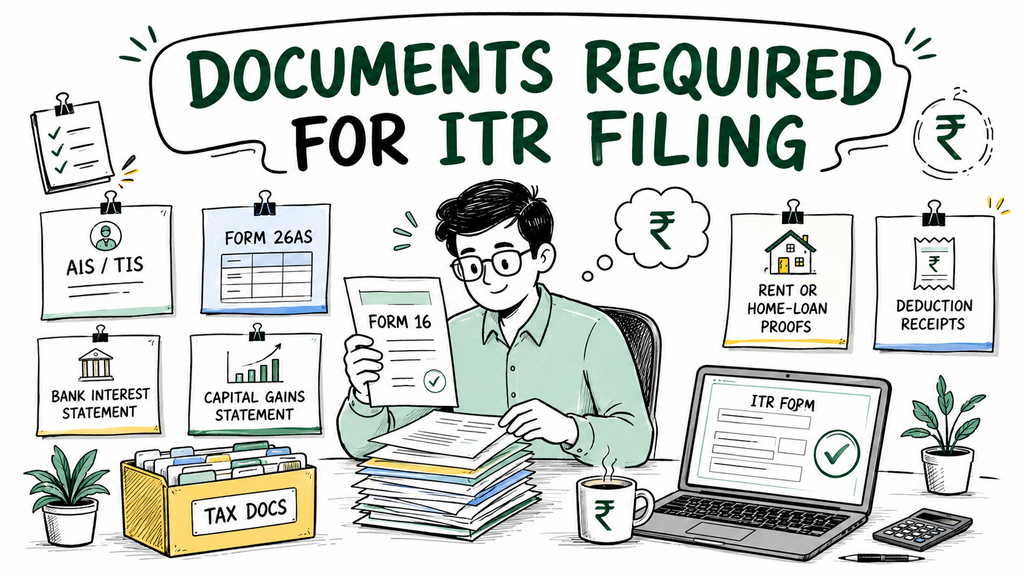
Filing a return is not difficult. Finding the papers is. Almost everyone who says filing was painful is describing the same thing. Not the form. The two hours spent hunting through old email for a certificate from a bank they barely use. Collect everything first. The filing itself then takes about twenty minutes. There is one extra thing to know this year. The names have changed.
1. New Law, New Names
The Income Tax Act 2025 came into effect on 1 April 2026. It replaces the old law from 1961. Most of what you actually pay has not changed. Limits, rates and who can claim what are broadly the same. But the names and numbers have. If you learned this stuff years ago, some of it will look unfamiliar.
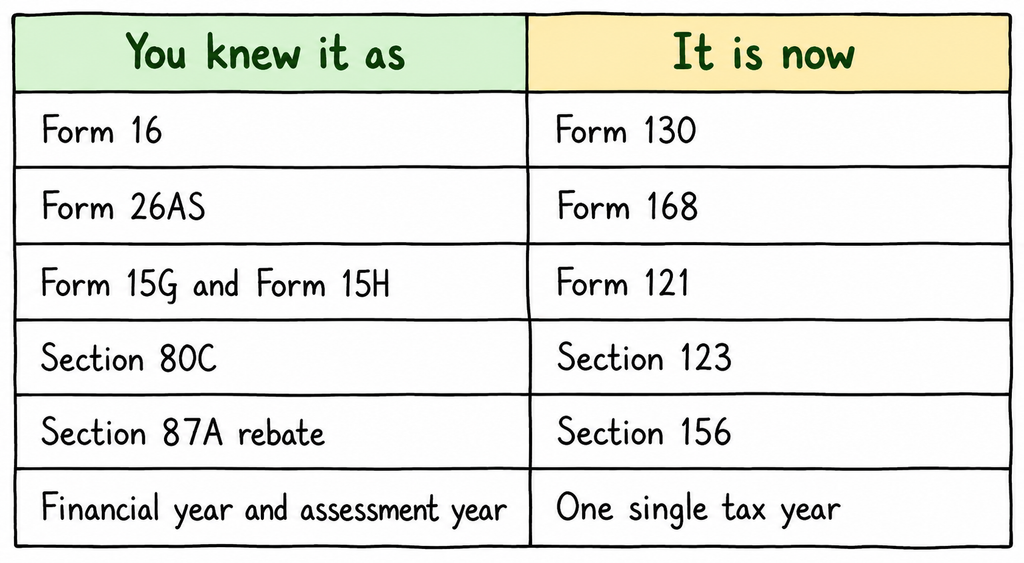
That last row is the useful one. There used to be two overlapping terms for the same stretch of time, and they confused almost everybody. Now there is one. A tax year runs from 1 April to 31 March. The year that began in April 2026 is tax year 2026-27. That is it.
2. Know Your Date
For most salaried people the due date is 31 July, following the end of the tax year. Run a business or a profession without an audit? You usually get longer. Audit cases get longer still. Dates do shift sometimes. Check the current one on the income tax website rather than trusting memory. Miss it and you can still file late, with a fee. But late filing costs you something a fee cannot cover.
Did you sell anything at a loss this year? File late and you lose the right to carry that loss forward. It can never be set against future gains. The reason is explained in capital gains basics for investors. That is the best reason to file on time even when you owe nothing.
3. Start With What They Already Know
Before you gather any paper of your own, log in to the income tax website and download Form 168. This is the annual information statement. It is what used to be Form 26AS. It lists the department’s own record of your year. Tax already deducted against your name. Your salary. Interest. Dividends. Share and fund trades. Large payments. This matters more than people think. If your return does not match what they already hold, that mismatch is what brings a notice. So read it properly. It will remind you of things you forgot. A small deposit in an old account. A dividend from shares you have not looked at in years.
It is also sometimes wrong. An entry can appear twice. Something that is not yours can turn up. If you spot an error, raise it on the site. Do not simply copy a figure you believe is wrong.
4. The Main List
Most people need some of this. Nobody needs all of it.
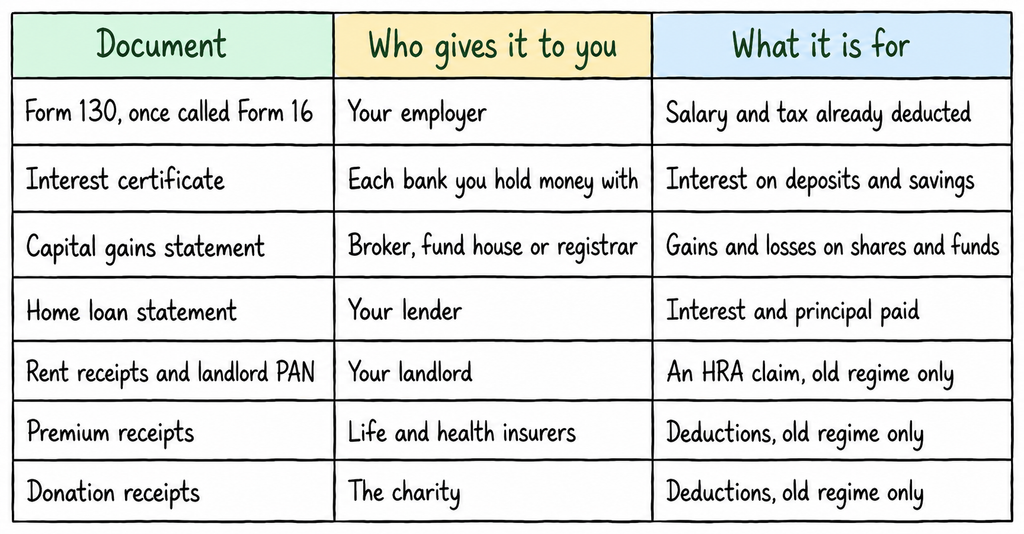
Notice how many rows say old regime. In the new regime most of them do not apply to you. Your list is short. Which regime suits you is covered in old regime or new regime. One row deserves a special mention. The capital gains statement is the one people try to manage without. They then spend an evening adding up trades by hand. Your broker and every fund house will produce it for the year. Ask before you start, not halfway through.
Extra papers for some years
Some years are not ordinary. These situations need more.
- You changed jobs. Get a Form 130 from both employers. This one causes real trouble, and there is more on it below.
- You sold property. The sale deed. The original purchase deed. Receipts for improvements. The certificate for tax the buyer deducted.
- You hold foreign shares or a foreign account. Statements for all of them. These must be reported even when they earned you nothing. The penalties here are severe.
- You earn freelance or business income. Invoices you raised, records of expenses, and the bank statements for that account.
- You traded crypto. A record of every trade, from each exchange you used.
Why changing jobs catches people
This is the most common mistake in the whole article, so it is worth a moment. Each employer works out your tax as if they were your only one. So each one gives you the full exemptions and the full standard deduction. Put the two salaries together and the picture changes. You have almost certainly paid too little tax across the year. Nobody tells you this. Both forms look perfectly correct on their own. Far better to find it while filing than in a notice a year later. So if you moved jobs, use both.
5. Four Things to Do Now
None of this needs to wait until July.
- Make one folder. On your computer or in a drawer. Every certificate goes in it the day it arrives. This one habit removes most of the pain.
- Download Form 168. Read it before you fill in anything.
- Ask for your capital gains statement. It takes a minute and saves an evening.
- File on time. Especially in a year you lost money. That is the year the deadline actually costs you.
Keep it all afterwards
Filing is not the end. Keep the return and its receipt with the rest of the papers. You will want them when you apply for a loan or a visa. Both usually ask for several years at once. Questions about a return can arrive long after you filed it. Old papers answer them quickly. Missing ones turn a simple query into a long problem. Gathering papers is nobody’s idea of a good evening. But it decides whether filing takes twenty minutes or ruins a weekend.
Start the folder tonight. Next July will look after itself.
This article is for learning. It is not personal tax advice. It reflects the Income Tax Act 2025, which took effect on 1 April 2026. Form names, section numbers and due dates can change, and the right forms depend on your own income. Please check current rules on the income tax website, or speak to a qualified tax adviser, before you file.